
The Railroad in Mound
The Hutchinson Line served as a vital commuter and freight route, linking Mound to Minneapolis and other regions

Mound, Minnesota's history is deeply intertwined with the development of railroads, which significantly influenced its growth and transformation.
Early 1900s: Railroads Reshape Mound
In 1900, the arrival of the Great Northern Railway's Hutchinson Line marked a pivotal moment for Mound. This development prompted the relocation of the town's business district to its current location, aligning with the new rail line and facilitating better connectivity.
The Hutchinson Line: A Lifeline for Commuters and Commerce
The Hutchinson Line served as a vital commuter and freight route, linking Mound to Minneapolis and other regions. This connection enabled residents to commute efficiently and allowed local businesses to transport goods, bolstering the town's economy .
Transition to the Dakota Rail Regional Trail
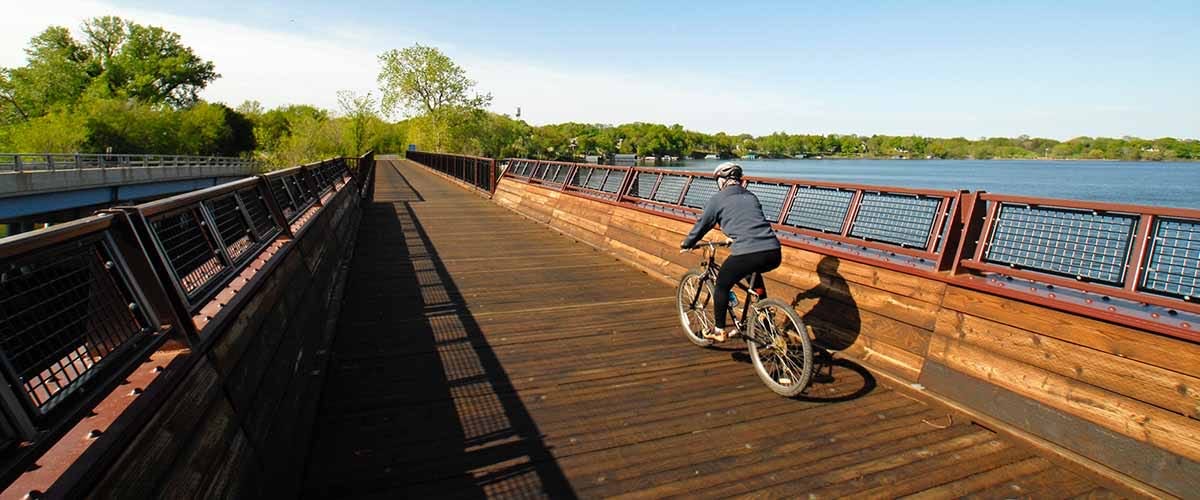
After the decline of rail services, the former rail corridor found new life as the Dakota Rail Regional Trail. This transformation preserved the historical route, repurposing it for recreational use and maintaining a tangible link to Mound's railroad heritage.


Legacy and Remnants
Today, remnants of Mound's railroad past are still visible. Structures like the engine house in Spring Park and various trestles along the trail serve as historical markers, reminding residents and visitors of the town's rich railroading history.


Mound's evolution from a rail-dependent town to a community that honors its history through preservation and adaptive reuse exemplifies the enduring impact of the railroads on its development.