
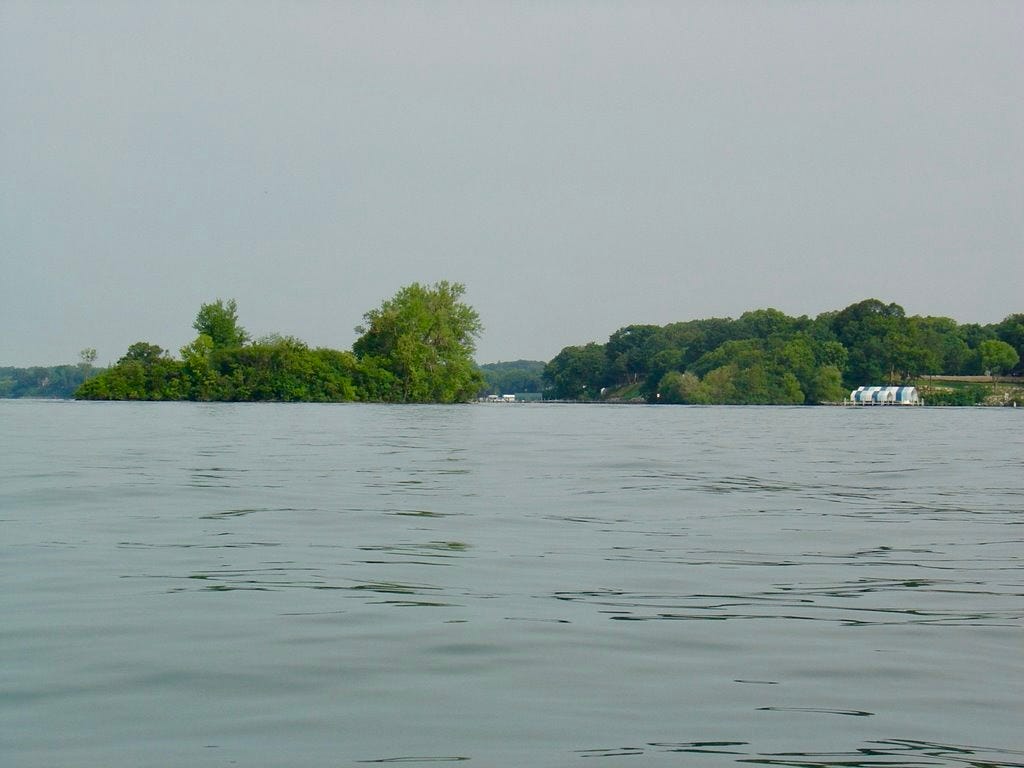
Spirit Island
Recognizing its importance, local historians and Indigenous communities have since sought to honor Spirit Island's legacy

🌿 Indigenous Significance
Spirit Knob (“little hill of the spirit”) on Breezy Point was a major spiritual hub for the Dakota (Mdewakanton). It sat atop a 60-foot mound used for ceremonies honoring the Great Spirit, Manitou, including dances and offerings after conflicts. Dakota women also gave birth there, and oral histories mention rites linked to life, death, and healing.
Spirit Island (and Spirit Knob together) held deep sacred meaning. Dakota people gathered, prayed, and conducted rituals there, integrating birth and mourning with the spiritual landscape. It was part of a fur-trading trail and ceremonial route around the lake .
⛵ Tragedies and Change
Minnie Cook Disaster (July 12, 1885): A steam yacht capsized near Spirit Island amid towering waves, claiming 10 lives—including former Minneapolis mayor Alonzo Cooper Rand. This was one of Lake Minnetonka’s deadliest maritime accidents.
Erosion and excavation: In the late 1800s, Spirit Knob was deliberately leveled—sold to the Breezy Point Club in 1879 and then excavated. Limestone was quarried to build local infrastructure and fill low-lying areas near Wayzata Bay.
🏗️ Industrial Impact
As Minneapolis and lakefront towns like Wayzata developed, natural formations were harnessed for construction. Sacred mounds and island bluffs were systematically removed for materials or stability—dislodging key cultural landmarks.
💡 Legacy and Preservation
By the early 20th century, Spirit Island and Spirit Knob had largely vanished beneath excavated stone, eroded soil, or submerged lakebed. All that remains now is its spiritual presence and historical memory.
Recognizing its importance, local historians and Indigenous communities (like Prairie Island and Friends of the Falls) have since sought to honor Spirit Island's legacy—through storytelling, educational programs, cultural art, and commemorative installations.
📌 Summary Timeline
Pre-1700s Indigenous use by Dakota and earlier Mound Builder peoples
1700s–1850s Continued ritual and daily use: ceremonies, wild rice harvesting, mapling
1885 Minnie Cook capsizes near Spirit Island
Late 1800s Spirit Knob quarried and leveled
1900s onward Island largely removed/submerged
Today Remembered through oral history, preservation efforts, and cultural awareness initiatives
💬 Why It Matters
Spirit Island/Knob exemplify how sacred Indigenous landscapes were altered by colonial-era development.
Their erasure speaks to a broader loss of cultural landmarks across the region.
Yet by remembering and honoring these places, we nurture a deeper connection to our shared past—and ensure that their spiritual significance endures.

