
Langdon Lake in Mound
During the 1940s and '50s, the eastern shore of Langdon Lake featured an ice house and grocery store owned by Ed and Pete Sollie, uncles of the famous Andrews Sisters singing group

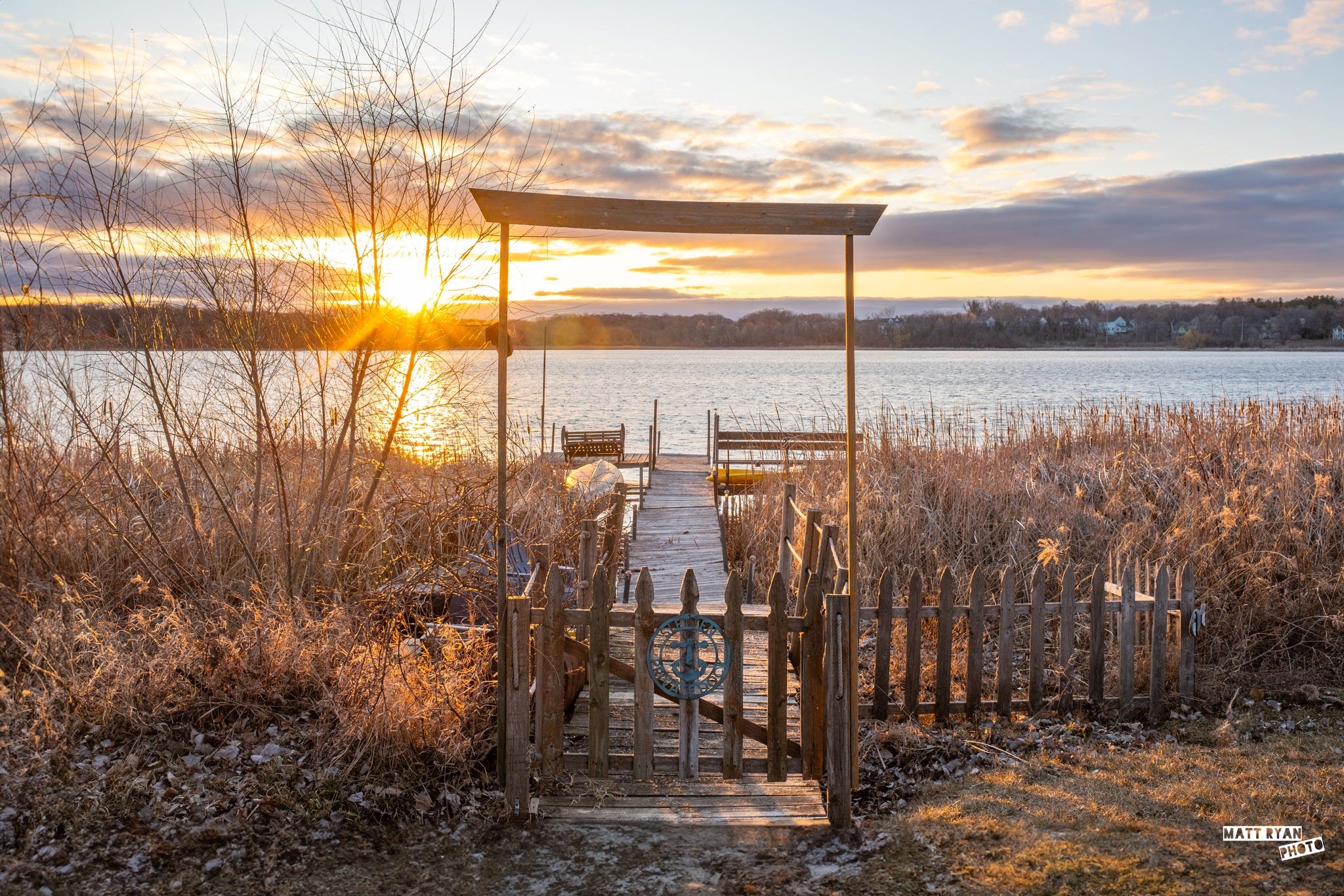
Langdon Lake, nestled in Mound, Minnesota, is a 144-acre body of water with a rich tapestry of natural and human history. Its story reflects the broader narrative of the region, from glacial formations to modern environmental challenges.
Origins and Naming
Langdon Lake was named after R.V. Langdon, the first township clerk of Mound. The lake's formation is attributed to glacial activity during the last Ice Age, which sculpted much of Minnesota's landscape, creating numerous kettle lakes like Langdon.
Early Settlement and Development
In the mid-19th century, European-American settlers began to inhabit the area around Langdon Lake. Mound itself was named for the ancient Native American burial mounds found within its boundaries. The lake became a focal point for the community, with establishments like the Chapman House operating between Langdon Lake and Cook's Bay.
During the 1940s and '50s, the eastern shore of Langdon Lake featured an ice house and grocery store owned by Ed and Pete Sollie, uncles of the famous Andrews Sisters singing group.
Environmental Changes and Challenges
Langdon Lake has experienced environmental challenges over the years. Historically, it suffered from high phosphorus levels, likely due to its position downstream from Mound's old sewage treatment plant, which closed in the late 1970s.Excessive phosphorus can lead to algal blooms and poor water clarity. Although treatments like alum application in 1998 have reduced phosphorus levels, water clarity issues persist.
Hydrology and Watershed
Langdon Lake is part of the Langdon Lake subwatershed within the Minnehaha Creek Watershed District. It receives inflow from Saunders Lake to the west and drains into Lost Lake via Langdon Bay Creek, eventually connecting to Lake Minnetonka. The lake's watershed area is approximately 6.5 times its surface area, influencing its water quality and ecological dynamics.
Ecology and Wildlife
The lake supports various fish species, including bass, crappies, sunfish, carp, and catfish. Its shores are frequented by blue herons and white egrets, while beavers are active along the western bay, as evidenced by downed trees.
Langdon Lake's history is a microcosm of Minnesota's broader environmental and cultural evolution. From its glacial origins and early settlement to modern ecological challenges, the lake remains a vital part of Mound's natural heritage.
My mom and uncle had one or two of the Andrews Sisters as babysitters in the late thirties.