Evil In Our Backyard
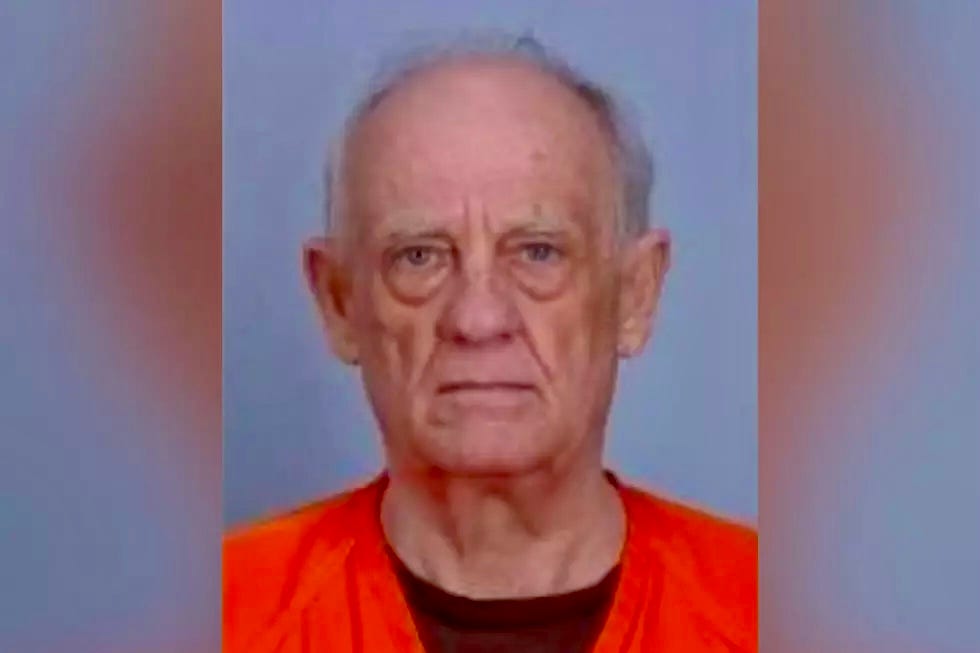
Robert Phillip Ivers charged with threatening to murder a federal judge

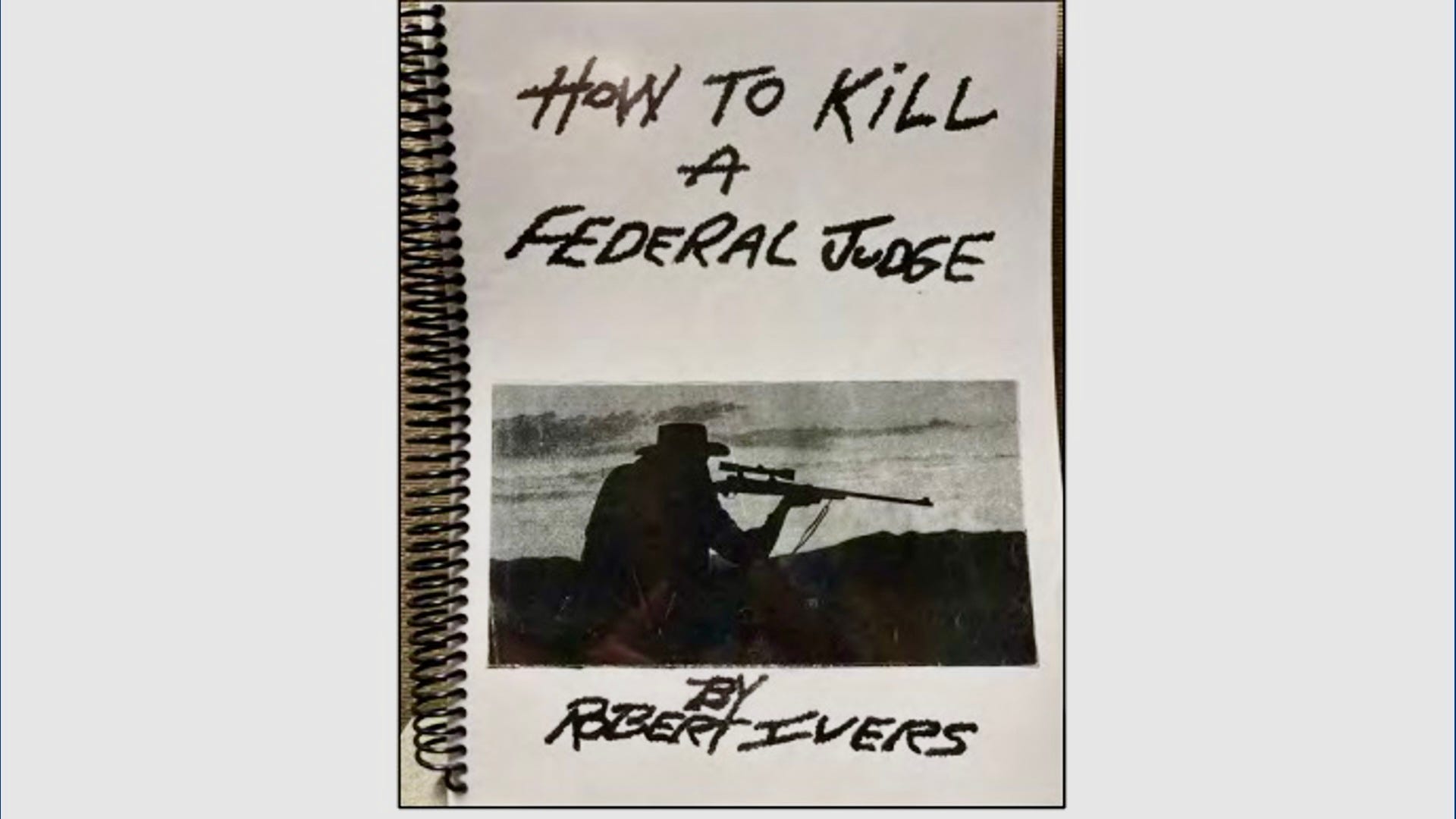
Yesterday, September 9, 2025, federal prosecutors unsealed charges against Robert Phillip Ivers, a 72-year-old Wayzata resident accused of one of the more disturbing crimes: threatening to murder a federal judge. The charge was not based on an idle remark or an overheated Facebook post, but on a 236-page manifesto brazenly titled “How to Kill a Federal Judge.”
Hard to believe this type of evil exists out here on Lake Minnetonka. Wayzata is an upscale lakeside community, eight and a half miles from Spring Park, another lakeside community where I live. This kind of sinister stuff just doesn’t happen out here… until it does. And it did.
The details are chilling. On September 3, Ivers reportedly marched into the Wayzata Library, commandeered the printer, and began producing copies of his so-called “killing guide.” Not content to keep his work hidden, he allegedly handed flyers to staff and patrons, advertising his “five-star blood-soaked manual” that promised to teach extremists how to stalk and kill judges, politicians, and even children. Later, when authorities searched his vehicle, they found not only dozens of copies of the manifesto, but also a list of federal judges, a photo of the Pope in crosshairs, a replica firearm, fireworks, and the infamous Anarchist Cookbook.
This was not a one-time aberration. Ivers’s record is a grim reminder that threats to America’s judicial system are not theoretical. In 2019, he was convicted for threatening to kill a federal judge and served 18 months in prison. In 2022, he faced new charges for threatening a federal official, though those were later dismissed. This pattern of escalating threats makes the current case all the more alarming.
As we all know, and the evidence is clear, the last administration selectively enforced the law, depending on what political party is the opposition party. Could the threat to the judge in 2019 be a Democrat appointed judge? And in 2022 the federal official he threatened, did he oppose federal policies, and executive actions of the last administration? I think it is more likely than not as that administration turned a blind eye to the conservative justices on the Supreme Court when they were receiving threats.
Things are much different and much better now as Federal officials did not mince words. Acting U.S. Attorney Joseph H. Thompson called the threats “bone-chilling,” warning that communities cannot stand by as individuals target judges who embody the rule of law. FBI Special Agent Alvin Winston underscored that these threats strike at the heart of democracy itself: the independence of the judiciary.
Sadly, this is not an isolated episode. According to the U.S. Marshals Service, federal judges faced more than 500 threats in fiscal year 2025 alone. Each one represents a potential act of violence against the very people entrusted to interpret and uphold the Constitution. The case in Wayzata is part of a broader national crisis—a slow erosion of respect for the judiciary that, if left unchecked, could compromise the safety of judges, their families, and the democratic system they serve.
There is another unsettling layer: the community itself. In the days before his arrest, Ivers was seen attending an Episcopal church in Minnetonka, telling staff he would be back for services involving children. The church, wisely alarmed, checked his background and discovered his violent history. Their report to authorities may well have prevented a tragedy. This is a story not only of threats but of vigilance—ordinary people taking action before it was too late.
The residents of Wayzata, and all 13 of the Lake Minnetonka communities woke up this week to the reality that such darkness can live next door, or in our neighborhood. But we also woke up to the reminder that vigilance, swift law enforcement action, and collective commitment to protecting democratic institutions can—and must—prevail.