
Earthquakes
Occasional reports of the ground shaking

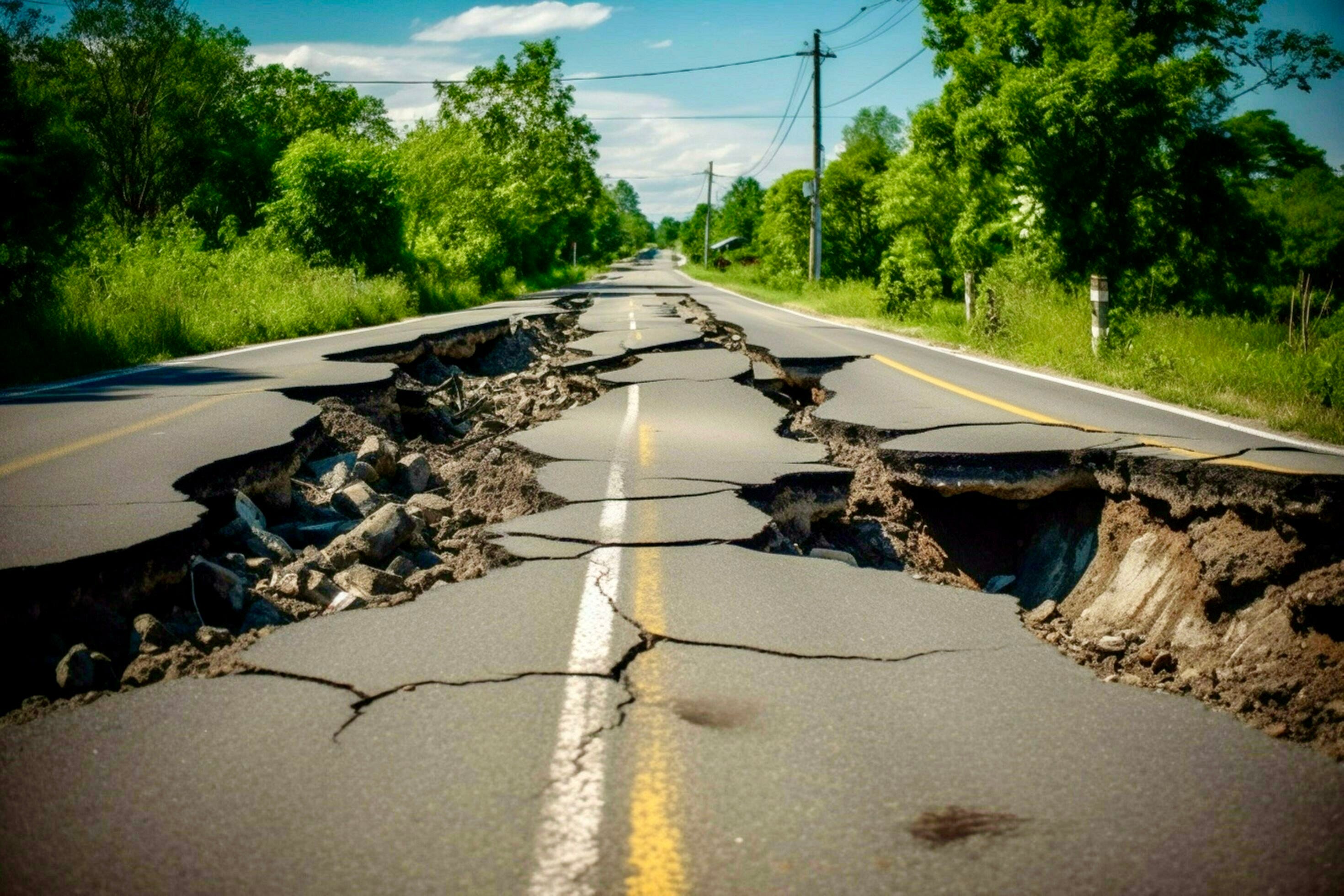
Lake Minnetonka, located just west of Minneapolis like many regions, it has occasional reports of the ground shaking or loud booming sounds, sparking curiosity and concern among residents. Understanding these phenomena requires examining Minnesota’s seismic history, regional geology, and natural events. By the way, none of it has anything to do with the mythical fable of climate change.
Minnesota is not typically associated with earthquakes. Unlike California or Alaska, the state sits far from major tectonic plate boundaries, making large earthquakes extremely rare. Nonetheless, the state has a documented history of minor seismic activity. According to the Minnesota Geological Survey, there have been roughly 20 recorded earthquakes in Minnesota since the 1800s. The strongest, the 1975 Morris earthquake, registered a magnitude of 4.6, shaking much of the state. Smaller tremors have occurred in regions like New Prague, Staples, Cottage Grove, and Granite Falls. These events are usually minor and cause little to no structural damage.
Direct tectonic earthquakes centered under Lake Minnetonka are virtually nonexistent. Yet residents sometimes report feeling shaking or hearing loud booming noises. While initially alarming, these sensations are often misattributed to tectonic activity. Geologists attribute most of these local events to a phenomenon called frost quakes, also known as cryoseisms.
Frost quakes occur when water-saturated ground freezes rapidly. The ice causes the soil to expand, building stress in the surrounding rocks and earth. When this stress is suddenly released, it produces a loud bang and vibrations that can feel like a minor earthquake. These events are most common in areas with cold winters and fluctuating temperatures, such as the Lake Minnetonka region. Though dramatic, frost quakes are harmless and usually last only seconds.
Geologically, Lake Minnetonka lies on stable continental crust with no major fault lines nearby. The risk of a destructive earthquake is therefore extremely low. Most “earthquake-like” sensations reported in the area are either frost quakes or minor tremors from distant, low-magnitude events. Minnesota’s residents are far more likely to experience the dramatic cracking of ice and soil during winter than a true tectonic quake.
While reports of shaking at Lake Minnetonka may evoke concern, the region’s seismic history and geology indicate very low earthquake risk. Most incidents are natural, seasonal phenomena like frost quakes rather than tectonic events. By understanding these dynamics, residents can appreciate the occasional booms and vibrations as part of the lake’s natural rhythm, rather than as signs of imminent danger. In this way, Lake Minnetonka remains not only a hub of history and recreation but also a remarkably stable environment in geological terms.